 RM Mold
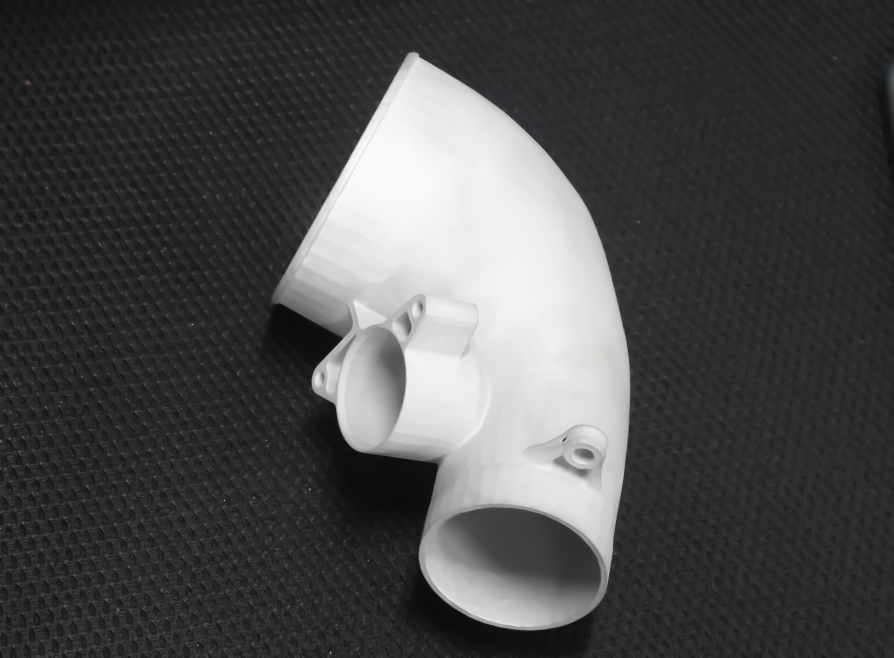
Product Name:Machined Engine Block
Manufacturing days: 2 days for purchasing materials and programming, 5 days for machining
Precision, Performance, and Practicality: Machined Engine Block
Any reliable powerplant relies on a precision-machined engine block with tight tolerances for cylinders, coolant channels, and mounting surfaces. Whether rebuilding a historic V8 or making low-volume OEM blocks, good machining enhances seal integrity, thermal performance, and lifetime.
Why precision matters
Bore straightness, deck flatness, and main bearing saddle alignment affect oil pressure, compression uniformity, and ring sealing. Smoother running, decreased blow-by, and improved heat transfer result from tight-specified machined engine blocks, improving durability and drivability.
The typical process and materials
Modern shops start from a cast or forged blank, then CNC roughing, finish boring, deck milling, line-honing, and threaded feature machining. RM Mold's case study website displays average lead times and a finished block's material procurement, CAM programming, and multi-axis machining workflow. Their page shows a targeted quick-turn capabilities with 2 days for materials and programming and 5 days for machining.
● Tighter bore tolerances and mirrored cylinder honing for ring seal improve performance.
● Restorations: mill decks to preserve jacketing and fix warpage.
● Reduce rework with robust fixturing and consistent toolpaths in low-volume manufacturing.
Lead time and costs
Blank availability, coolant and oil gallery complexity, and additional operations like pressure testing or plating affect lead times. The example supplier site shows how upfront CAD/CAM investment reduces downstream machining time and provides a realistic quick-turn timetable.
Continue—finish and validate
Anti-corrosion coatings, cylinder liners, thermal stress relief, and full-pressure leak testing make machined castings field-ready. Before starting production, arrange for trial assembly and a first-run dyno or bench test to verify clearances and sealing.
How we can help/Next steps
When ordering a machined engine block for a prototype or small run, prioritize:
1. Clear CAD models with GD\&T callouts.
2. Written inspection plan.
3. Work with your machine shop early to improve fixturing and toolpaths.
Precision of a machined engine block assures consistency and reliability across every build, helping you rapidly go from design to manufacturing. Modern machining and quality control provide products that meet real-world requirements. This level of detail is also useful for rapid prototypes, when speed and accuracy determine project success.